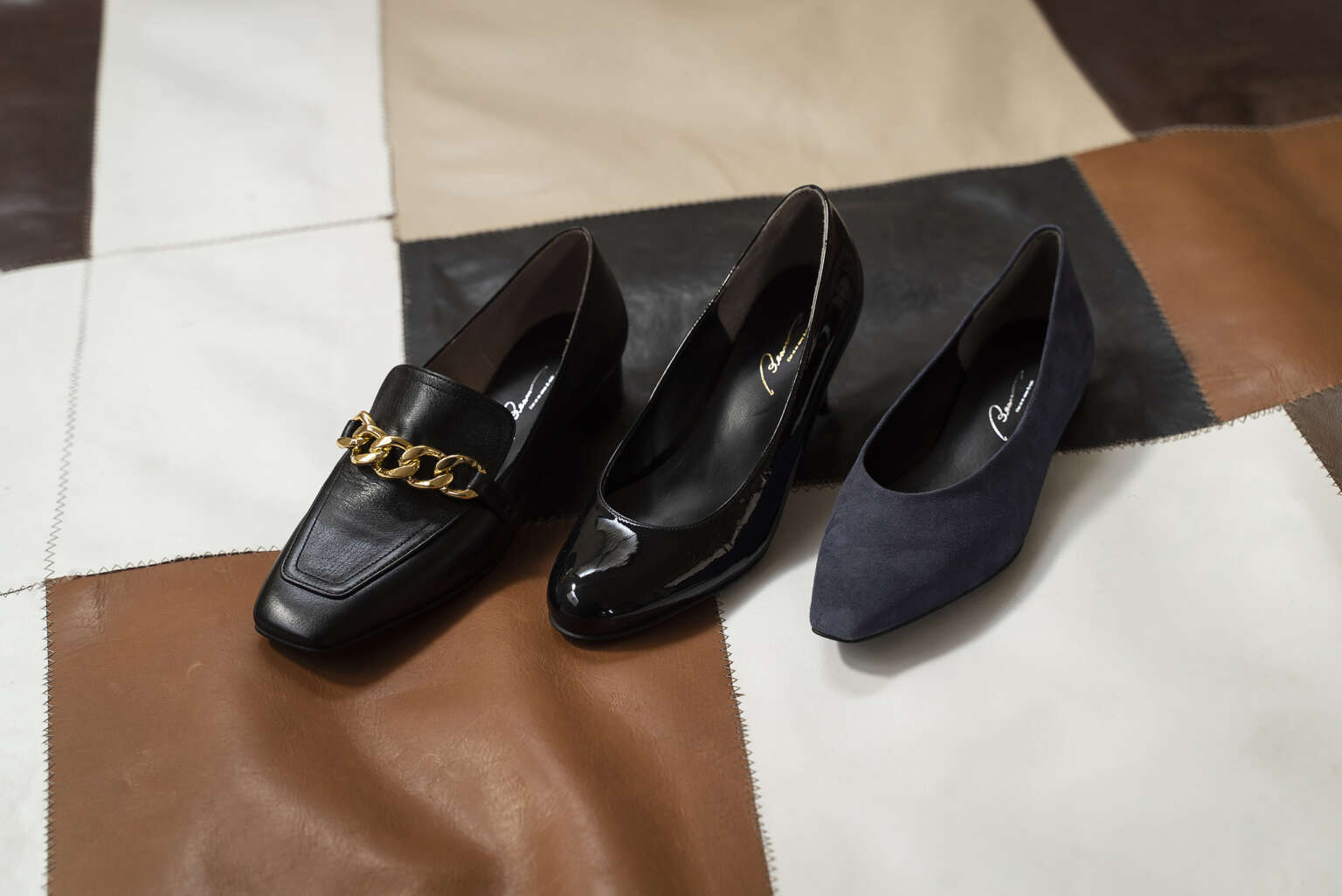
Proposals that never stray from the fundamentals of what a shoe is.
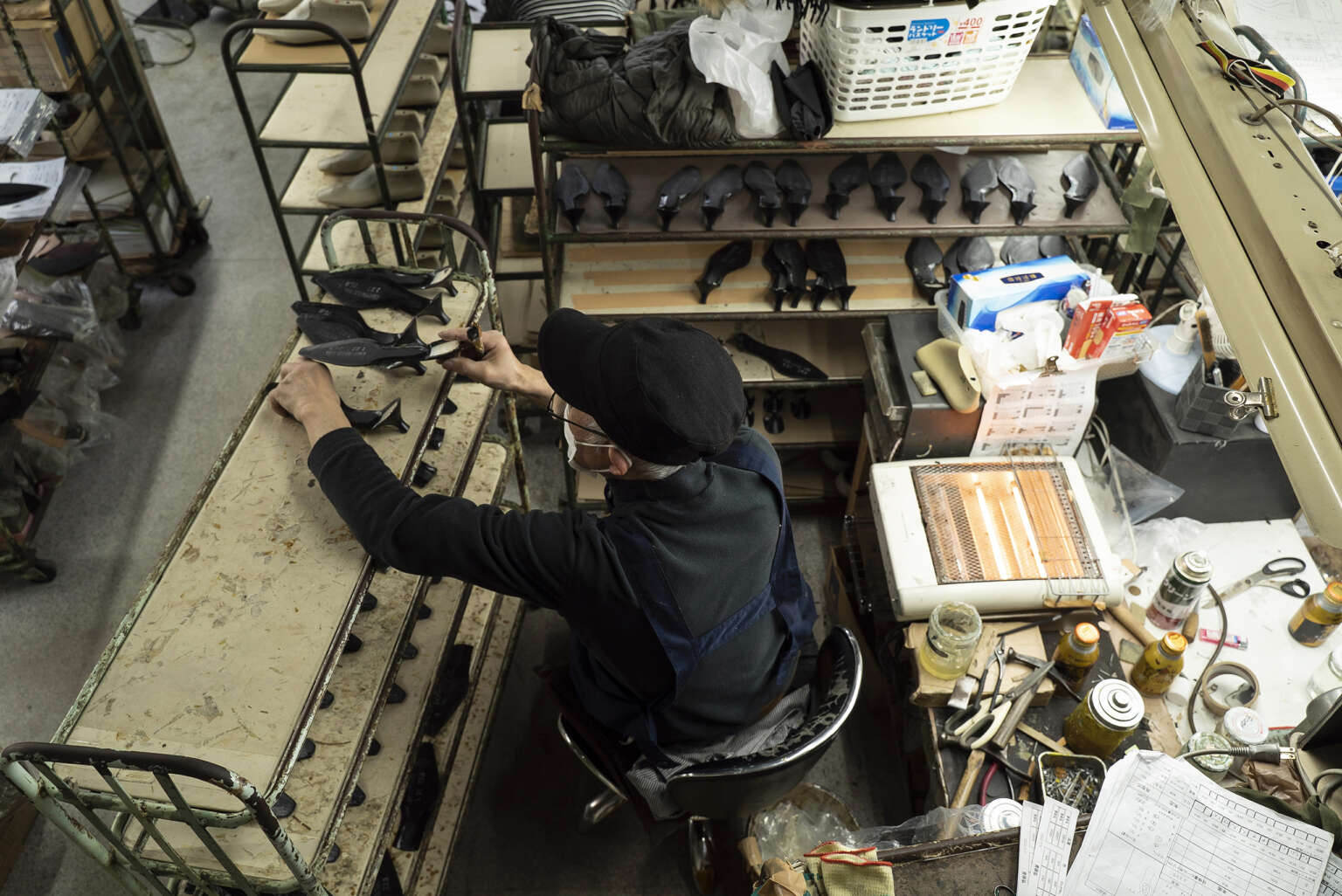
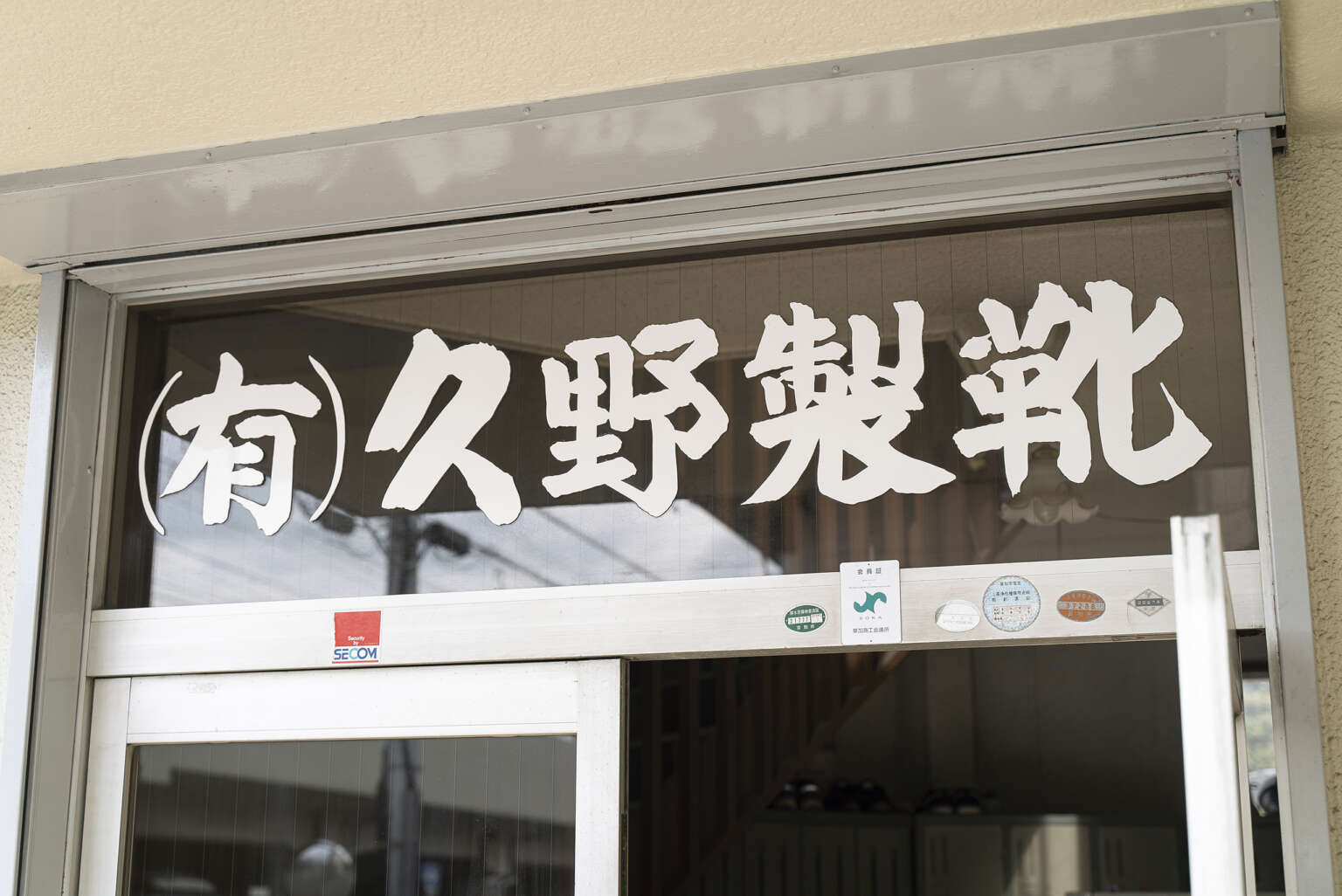
Founded in Asakusa in 1947 and later relocated to its current factory in Soka, Kuno Seika is a long-established maker of women's footwear on an OEM basis. President Takashi Kuno trained under a modelista (last & pattern designer) and now handles lasts and patterns himself, proposing designs to OEM clients and earning the trust of many brands. "Shoes aren't art," he says. "We try to make footwear that fits people's lives — that can be sold for a long time at a fair price. We read the times but never let the work get monotonous; we look for the right balance, propose designs that don't stop at self-expression, and stay close to the client throughout." The aim is comfort so good you reach for the shoes without thinking — not special, but everyday. And staying close to the client also means staying close to the wearer. The fact that Kuno Seika's shoes can be ordered through the 288-size 〈i/288〉 service, or through the size-matching service 〈MY SIZE Studio〉, is part of that same closeness to the customer.
The keywords here are speed and conversation.
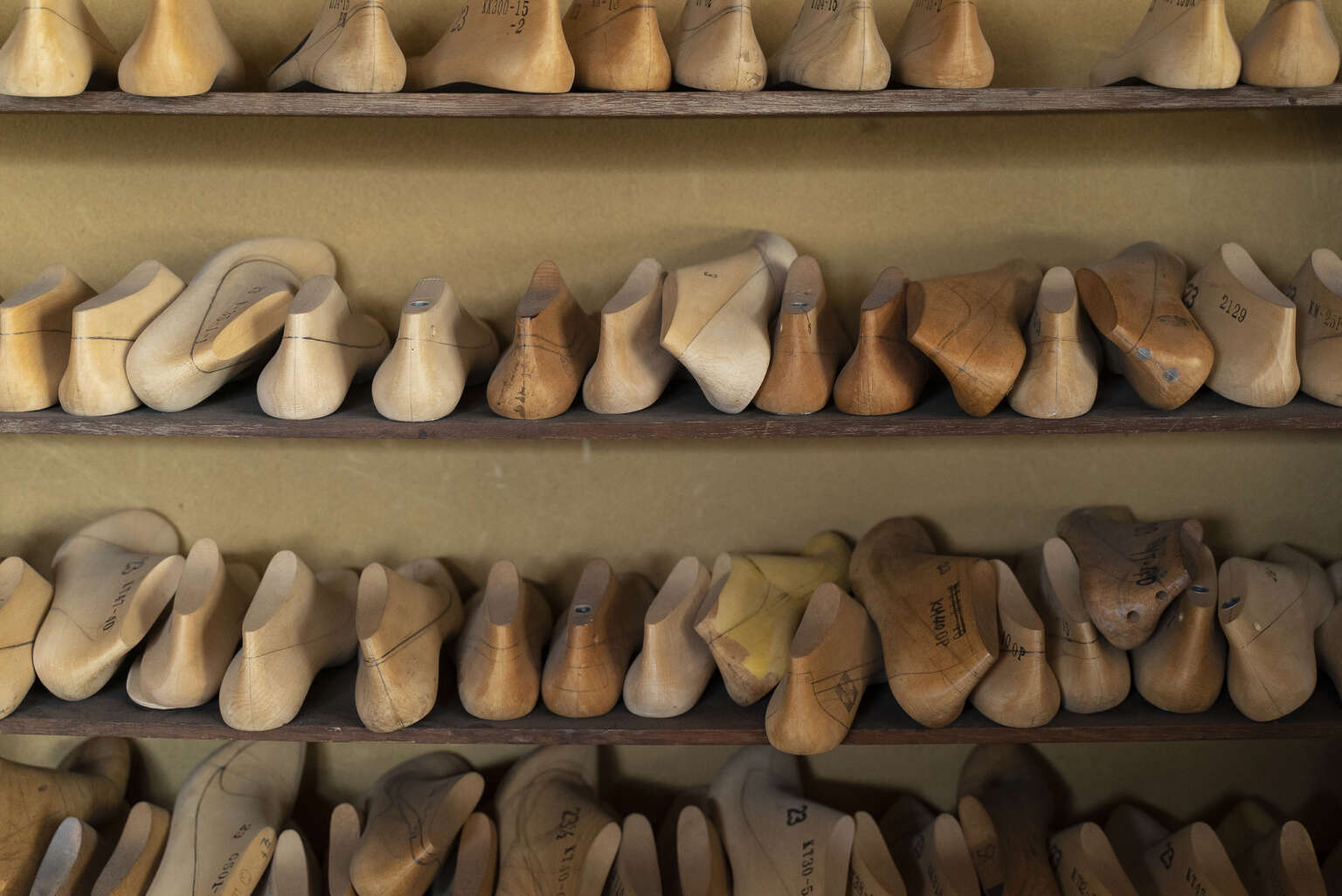
President Kuno says what he values most when proposing designs to clients is freshness. "What matters is giving form to what the client is picturing. As soon as I get a design brief, I read what they have in mind and propose immediately — rather than spending months building a brand-new sample, I quickly recombine pieces from the bank of samples we already have and share an idea within an hour. We then repeat those sessions, matching our pictures of the shoe to each other; in the beginning it's speed that matters most. Shoes are made in every country, so I want to do work that has clients saying, 'It's good because it was you.'"
Rare equipment and reliable craft make the functional side certified strong too.
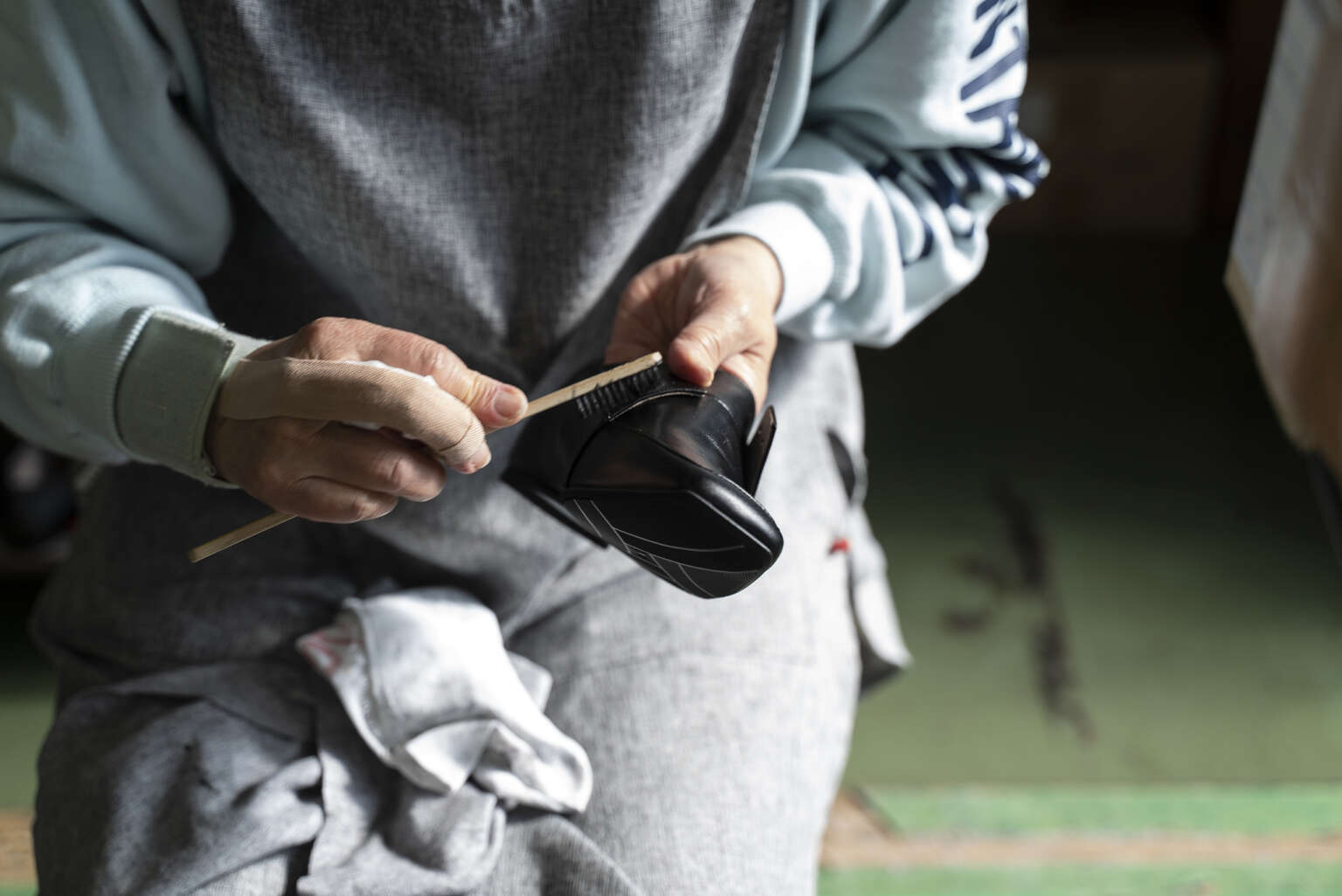
Beyond strong design, Kuno Seika's long history and technique naturally yield shoes that feel good on the foot. "Drawing on what I learned as an apprentice under a modelista, we have standardised every step from pattern-making through to soling," the president explains. "We set base rules to keep the last and pattern in sync, and the pattern and the lasting in sync. Lasting is especially difficult — leather stretches differently from hide to hide, and how delicately tension is applied during lasting changes the comfort. That takes real skill. So we tune the pattern to suit the toe-laster machine, designing things to need as few steps as possible." The toe-laster Kuno Seika uses — a Torasta — wraps rather than pulls the leather, giving a feel close to hand-lasting; it is a rare piece of equipment, and few Japanese makers use it.
Continuing to take on the challenges unique to women's shoes.
Comfort is pursued at every step of production — but comfort and design, they say, are a double-edged sword. "If you chase the absolute best feel, the design suffers," the team explains. "I once made what I thought, with a modelista, was the most comfortable possible pump, and tested it. The wearers did say it was easy to wear and their posture improved — but the heel angle and overall look weren't right. Women's shoes lean even more heavily on visual appeal than men's, so design matters even more. Clients won't put a shoe out if it looks bad, no matter how comfortable. So we want to hold that balance carefully and, within it, propose the best possible comfort." Satisfying everyone on both comfort and design is hard; reading exactly where that line sits is one of Kuno Seika's defining strengths. It will continue to take in each client's intent while expressing a sensibility that resonates across generations — through the shoes themselves.