Careful making that stays close to each customer.
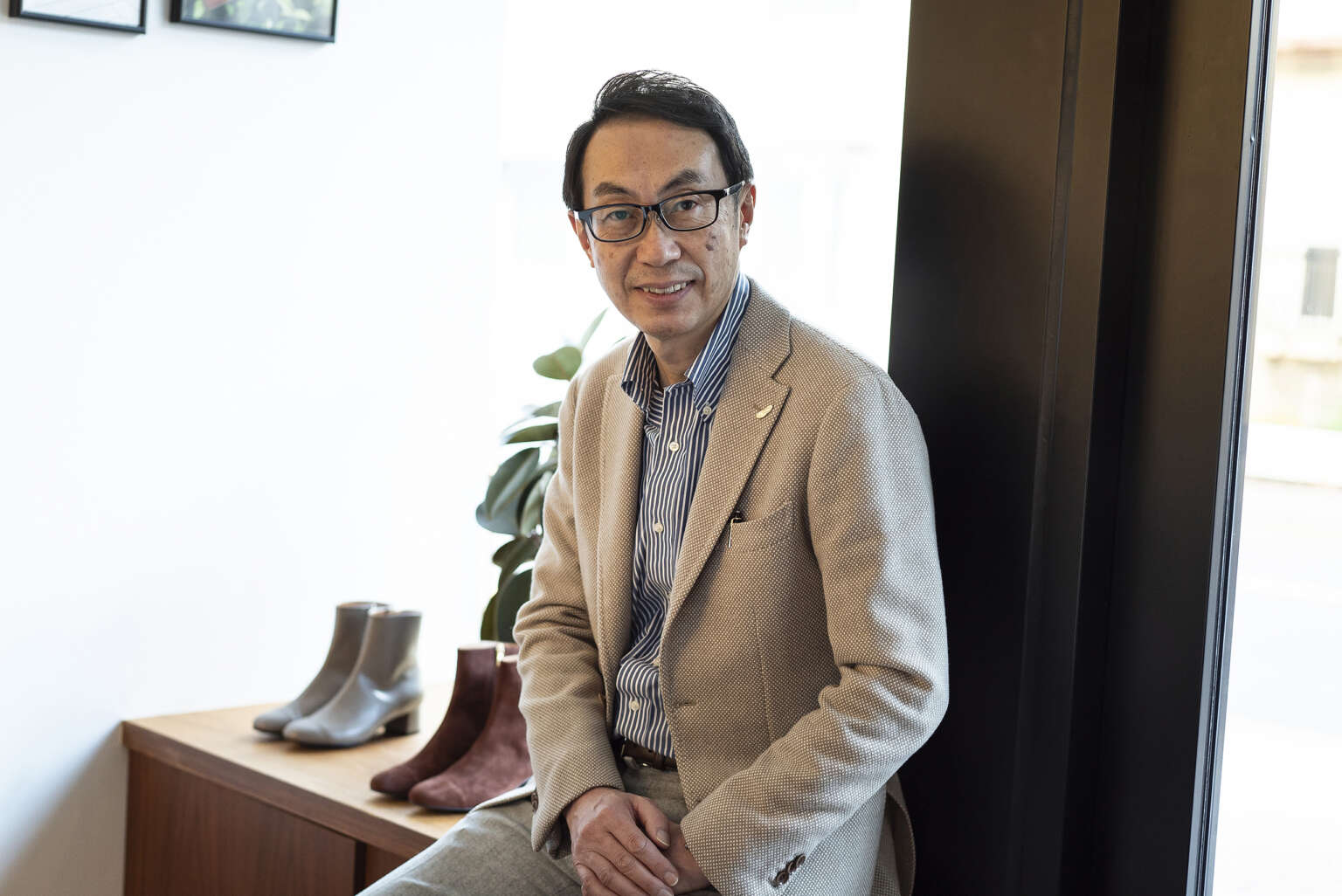
Wisteria refers to the wisteria flower, whose Hanakotoba (flower meanings) — kindness, welcome, devotion — Pilot Shoes set out to express in every pair, giving the brand its name. "True beauty isn't just outward — it's brought out by good physical and mental health, and beauty inside and out is what makes each person's individuality shine," says President Hitoshi Fujiwara, who also serves as a director of the Tokyo Shoemakers Cooperative and as chairman of both the All-Japan Federation of Leather Shoe Industrial Cooperatives and the Japan Leather Industries Association, working to develop the country's footwear industry. The concept Fujiwara has set for Wisteria Fujiwara is "the happiest shoe experience" — shoemaking with the wish that every individual woman's character will shine.
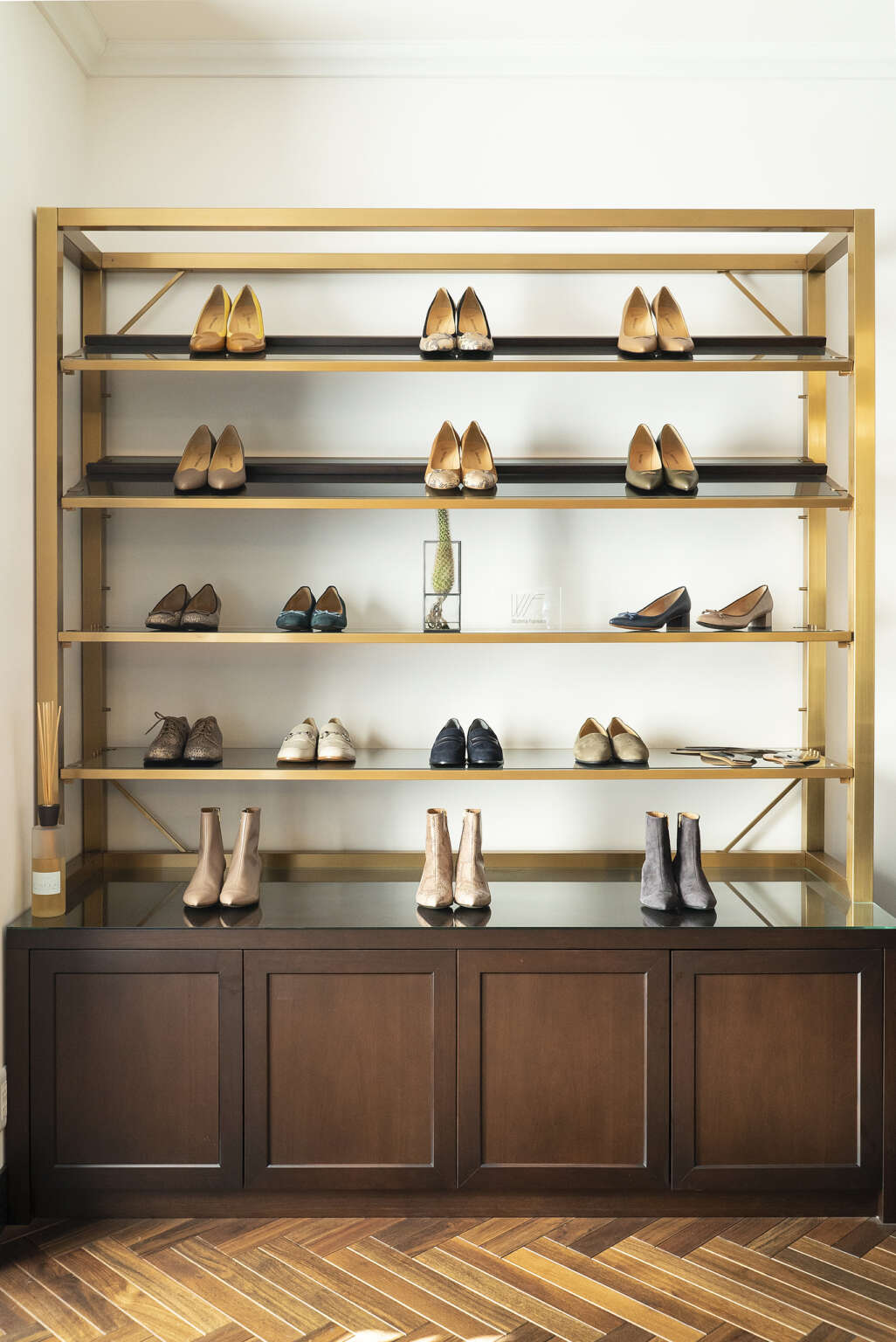
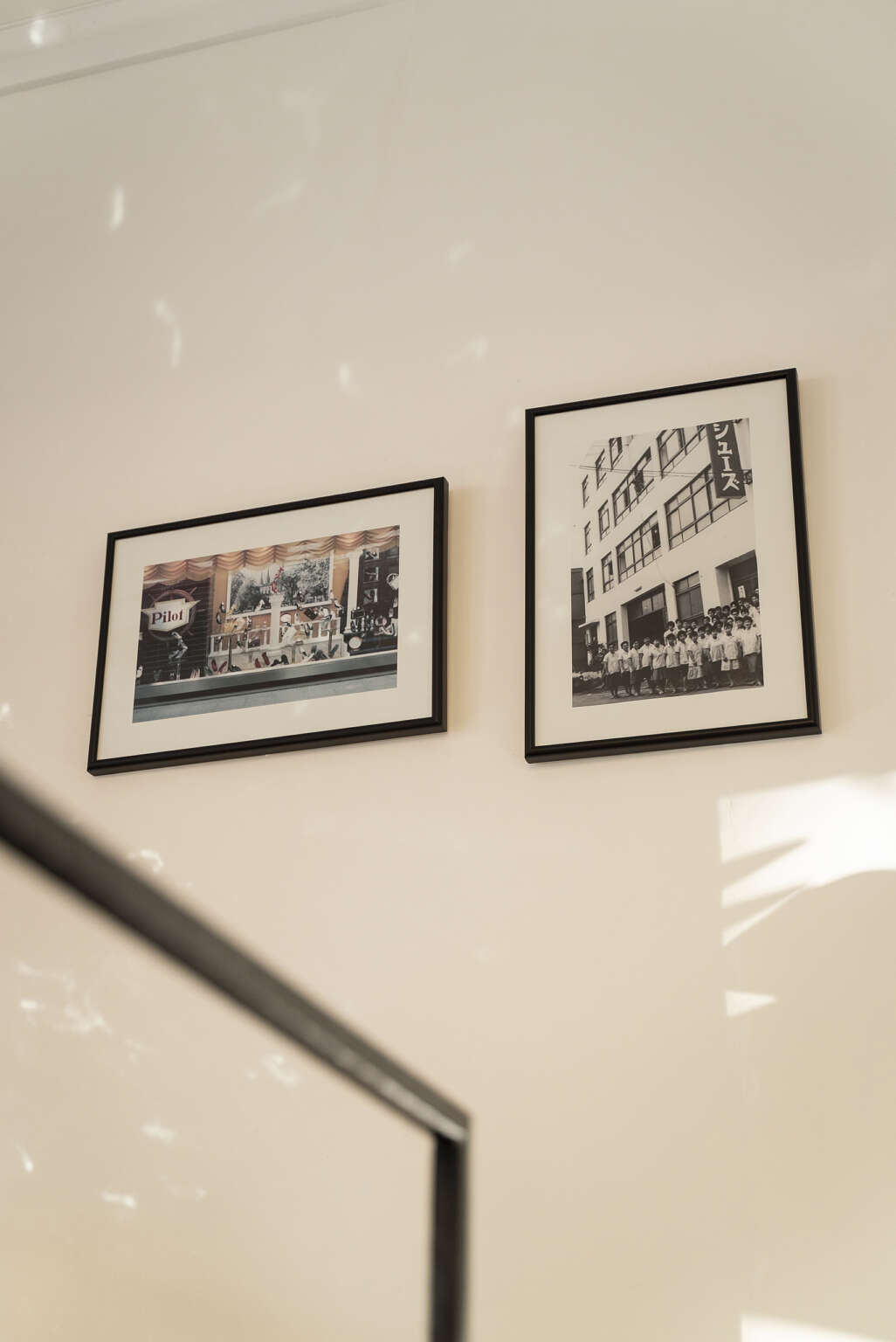
Wisteria Fujiwara's range runs from pumps to sneakers. The same dedication to footwear has held since the company's founding; today, craftspeople in their thirties to fifties — trained over years to pass the skills along — lead the work, combining careful engineering and high craft to produce shoes that fit beautifully and look it. To take comfort further still, Wisteria Fujiwara also accepts made-to-measure orders, drawing on more than seventy years of accumulated craft to build a pair sized exactly to your own foot. Such one-of-a-kind shoes encourage attachment, and they deliver the "happiest shoe experience" by letting each wearer's character shine through.
Choosing the right size — the key to real comfort
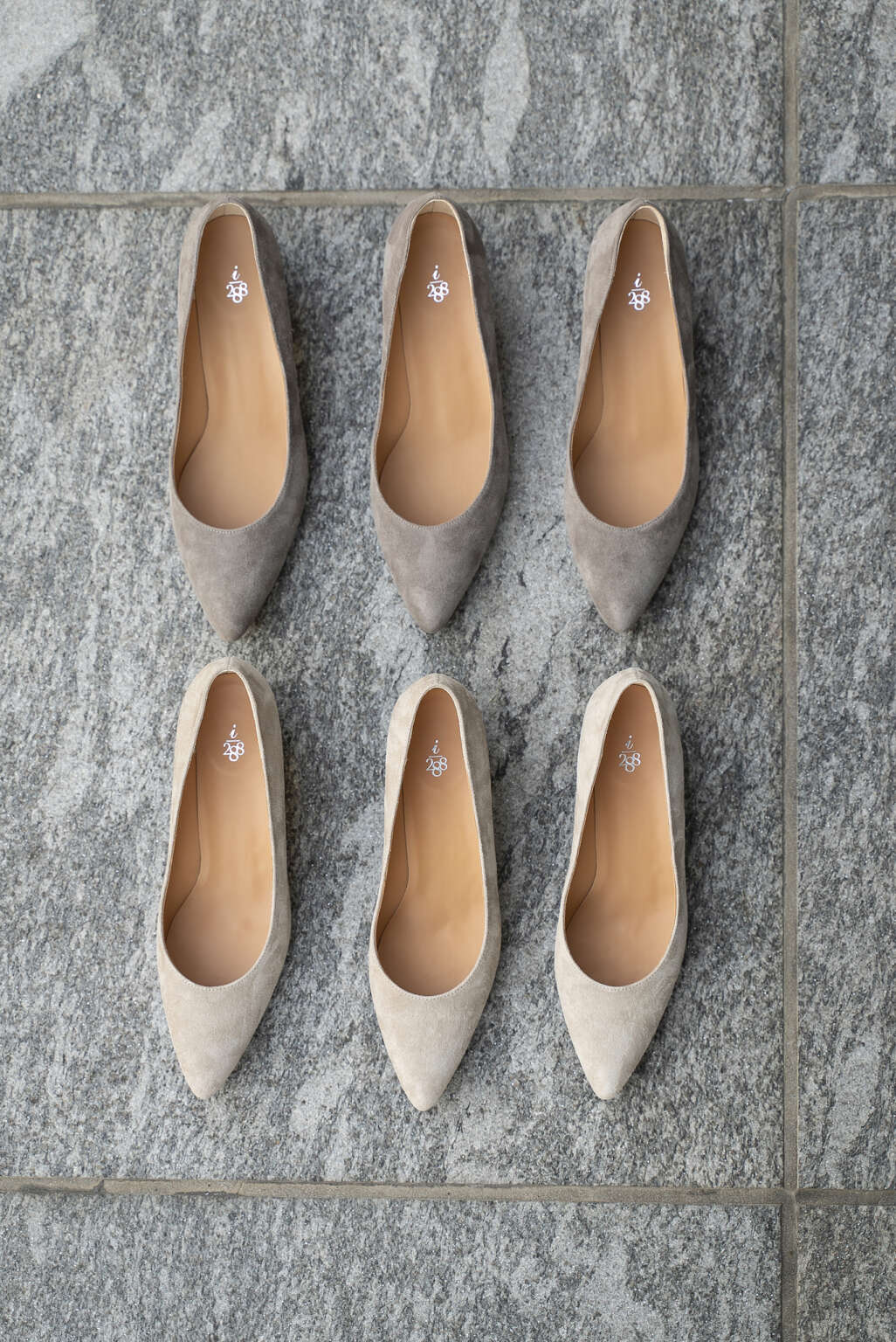
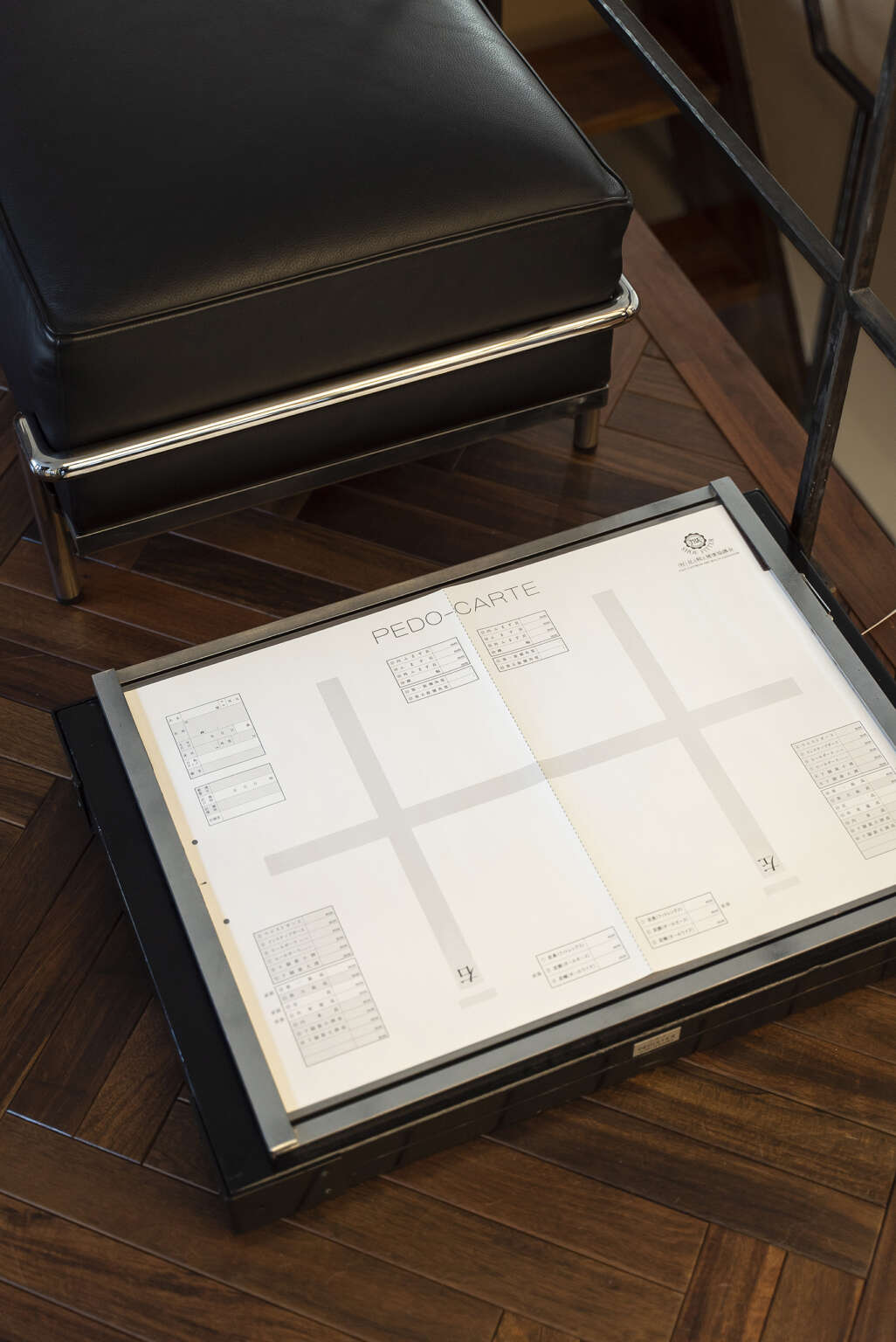
Wisteria Fujiwara's made-to-measure shoes are crafted using "i/288". From 16 lengths × 9 widths × 2 shapes — a total of 288 last variations — the system picks the one that best fits the customer. While JIS defines 144 standard sizes for Japanese women's shoes, the off-the-shelf range typically carries only a fraction of those. Most people are wearing a size that is close to their foot, not the perfect one; what feels fine might still not be the best fit. Length is the usual yardstick when picking a size, but width and girth matter just as much. Matching girth too gives the shoe stability, makes walking easier and helps prevent foot pain. Many people have feet that differ slightly between left and right — something a ready-made shoe can't accommodate, but i/288 can.
Mass-customisation — a form of shoemaking that lifts customer satisfaction.
At the Wisteria Fujiwara flagship store, customers can have their feet measured and shoes tailored to their own foot. While Japan's customers tend to think in terms of "order-made", Pilot Shoes advocates the "mass-customisation" approach more familiar in Europe and the United States. It begins with a counselling session about any concerns regarding feet or footwear, followed by an in-person foot measurement. From the results, customers try on the optimum match from a huge bank of fitting samples to confirm the comfort — an experience that, more than custom work, can be reassuring at the moment of purchase. The store has shoe fitters on staff with shoemaker backgrounds and recognised qualifications, so each visit may bring fresh discoveries that help with future shoe choices too. Once a fitting sample has been chosen, leather and sponge paddings are added for fine adjustments to settle on the size that fits your foot exactly. As for the shoes themselves, customers can customise materials and colours based on the samples on display. Orders take around five weeks; at hand-over there is another fitting and further fine-tuning, so you can step out reassured. That whole flow is the very heart of what Pilot Shoes calls "mass customisation", and the line that separates it from order-made.
Know your foot size — choose shoes more sustainably.
Many shoppers today buy shoes online, but a high proportion of those orders are returned because of fit. Knowing your own foot dimensions can remove that hassle. "Buying shoes online while assuming you'll exchange them creates wasteful logistics and isn't good for the planet," President Fujiwara says. "We're working on an e-commerce flow for Wisteria Fujiwara that does away with returns." Beyond comfort, made-to-measure also cuts surplus stock, so finite resources are used more wisely — a benefit shared by everyone involved with shoes. How you choose your shoes can itself play a small part in a sustainable society — and that, too, is part of the "happiest shoe experience".